
Why do heat exchangers fail? | Amegata.lt guide
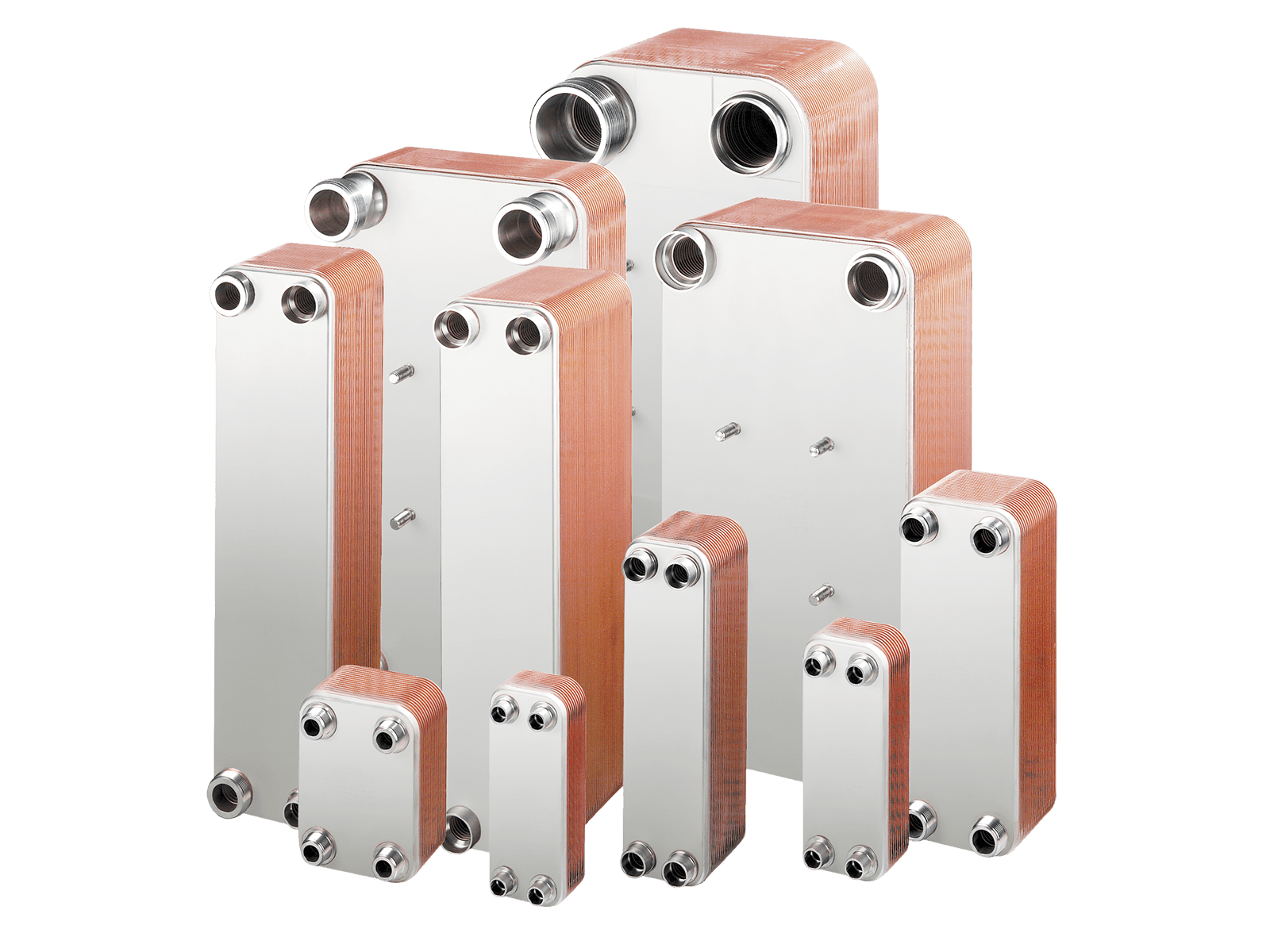
In our work at Amegata.lt we constantly meet engineers and homeowners' association chairs looking for help. "The heat exchanger has failed", "Our heat exchanger fails more often than it should". If you are dealing with unexpected leaks and expensive repairs, you are not alone. Although heat exchangers are like invisible heroes that provide comfort, they too have their weak points.
A heat exchanger is like the "heart" of your building, constantly pumping life-giving heat or hot water. A well-maintained heating substation is the guarantee of your building's stability. But what is happening, and why does a heat exchanger start to fail?
Main causes of "heat exchanger diseases": it is not always a "defect"
Factory defects do occur in rare cases, but heat exchanger failures most often arise from the sum of everyday yet critical details that play out day after day. For a heat exchanger, water is like fuel for a car. If you put poor-quality fuel in your car, or do not change the engine oil, it will not run for long. The same is true of a heat exchanger: poor water quality and neglected maintenance are the main causes of its "diseases".
1. Water quality: the invisible enemy no. 1
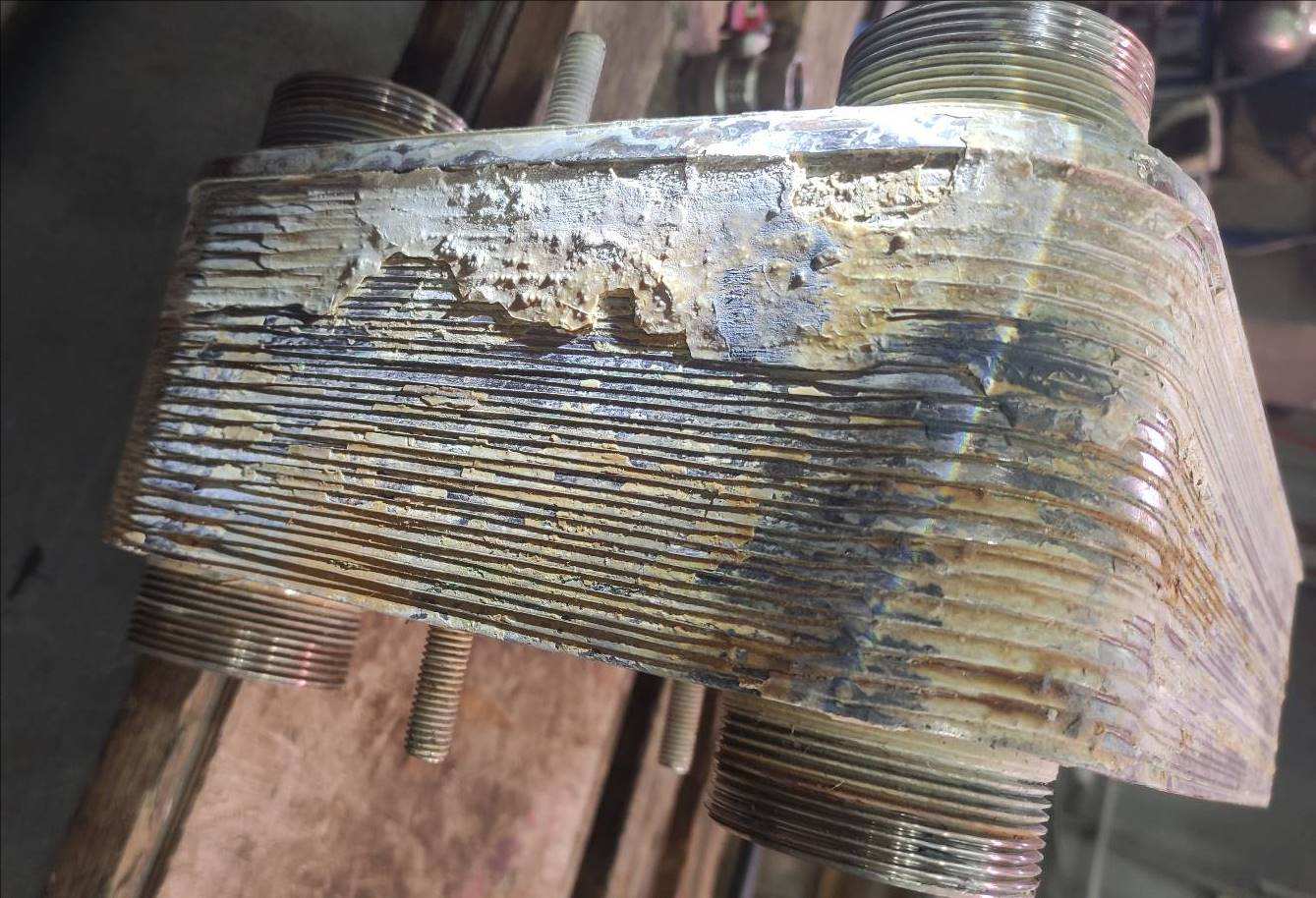
- Scaling: "clogged arteries". If your water is hard (with a high calcium and magnesium content), hard scale deposits form when the water is heated. It is like cholesterol plaque in the arteries: it gradually narrows the heat exchanger's "blood vessels", slows the water flow and prevents heat from efficiently reaching the consumer. As a result, heat transfer deteriorates, heating bills rise, until finally the "arteries" are completely blocked and the heat exchanger stops working.
- Corrosion and chlorides: "the invisible but perhaps deadliest enemy of every heat exchanger". This is one of the most insidious problems. Aggressive water, especially water containing too many chlorides or sulphates, "eats" metal. Chlorides in water are like an invisible "borer": they do not have to build up like scale, but quietly "eat" the metal of the heat exchanger (especially the sensitive brazed joints and the stainless steel plates), causing small but deep pits that can cause a leak at any time. Galvanic corrosion is also dangerous; it occurs when dissimilar metals (for example copper and stainless steel) interact in a poorly earthed system.
2. Installation and system "errors"
- Improper installation: "a crooked back". Missing vibration compensators? Poor earthing? Strained pipes? All of this puts mechanical stress on the heat exchanger, which over time can lead to micro-cracks and leaks. It is like constant pressure on the back that will eventually cause pain.
- Temperature and pressure surges: "heart attacks". Sudden and uncontrolled changes in pressure or temperature in the system (due to malfunctioning valves or water hammer) can cause the heat exchanger to deform or even burst. These are like sudden "heart attacks" for a sensitive unit.
3. Lack of maintenance: "forgotten prevention"
- Filters not cleaned: filters are the first line of defence, trapping dirt and deposits. If they clog up, impurities travel unhindered to the heat exchanger.
- Infrequent or improper flushing: even with the best filters, deposits still build up. If the heat exchanger is not flushed regularly with special solutions, it loses efficiency and becomes vulnerable.
- Ignored signals: small leaks or signs of corrosion that, if not noticed in time, turn into major failures.
What to do? A "health guide" for heat exchangers
The longevity of a heat exchanger is directly linked to your efforts. Here is what you can do to avoid frequent failures and save money:
1. Water quality tests: "water analysis":
- Thorough tests: carry out chemical water tests regularly. It is like "blood tests" for your building. Pay attention to the chloride content (it should not exceed the manufacturer's recommended limits, often 200 mg/l or less), conductivity (no more than 500 µS/cm) and pH level (neutral, around 7.0-8.5).
- Water "softening": if the water is hard, consider water softening systems (for example with ion-exchange resins, or electromagnetic descalers).
- "Cleaning" the water more deeply: if tests show a high chloride content, softening alone is not enough. Consult specialists about reverse osmosis (RO) systems or the use of corrosion inhibitors; this is the only way to protect the heat exchanger from "invisible borers".
2. Proper installation and balancing: "a solid foundation":
- Earthing: check the earthing of the whole system; this will help avoid galvanic corrosion.
- Vibration control: install vibration compensators to protect the heat exchanger from mechanical stress.
- Pressure and temperature control: use balancing and pressure control valves. Train staff to raise and lower the system temperature gradually; this will help avoid "thermal shocks".
3. Regular maintenance: "preventive visits to the doctor":
- Filters: install suitable mechanical filters (<100 µm) on both circuits and clean and replace them regularly.
- Periodic flushing: schedule regular chemical flushing of the heat exchanger (the frequency depends on water quality, but is usually every 1-3 years). It is like a "detox" for your building's kidneys. Entrust this task only to qualified specialists using solutions approved by the manufacturer.
- Visual inspection: regularly inspect the heat exchanger for external damage or leaks. Small symptoms noticed in time can prevent major "diseases".
- Professional diagnostics: once a year, order a professional diagnosis of the system and the heat exchanger. Heat exchanger maintenance is like regular visits to the doctor or a car's technical inspection. You must not wait until the symptoms become critical.
In conclusion: the secret to a long heat exchanger life
A heat exchanger failure is usually not an accident but rather the result of improper operation and maintenance. By investing in proper water treatment, correct installation and regular professional maintenance, you will not only extend the service life of your heat exchangers but also ensure more efficient heating, lower bills and, most importantly, satisfied residents.
Remember, prevention is always cheaper and less complicated than repair or replacing the whole equipment. Take care of your heat exchangers, and they will serve you long and reliably!
Read more about the heating heat exchanger and how to maintain it and avoid failures here
Prepared by: Evaldas Lasys. The content is based on data collected by Amegata.lt partners and real analysis of operating cases.
All rights reserved. Publishing or otherwise using this content without the written permission of Amegata.lt is prohibited.

Supplier of building heating substation equipment
This article is based on Amegata.lt's hands-on experience. See it differently or have something to add? Write to us – we're happy to discuss, and if you share new, well-founded information, we will update the article. Updated October 2026.