
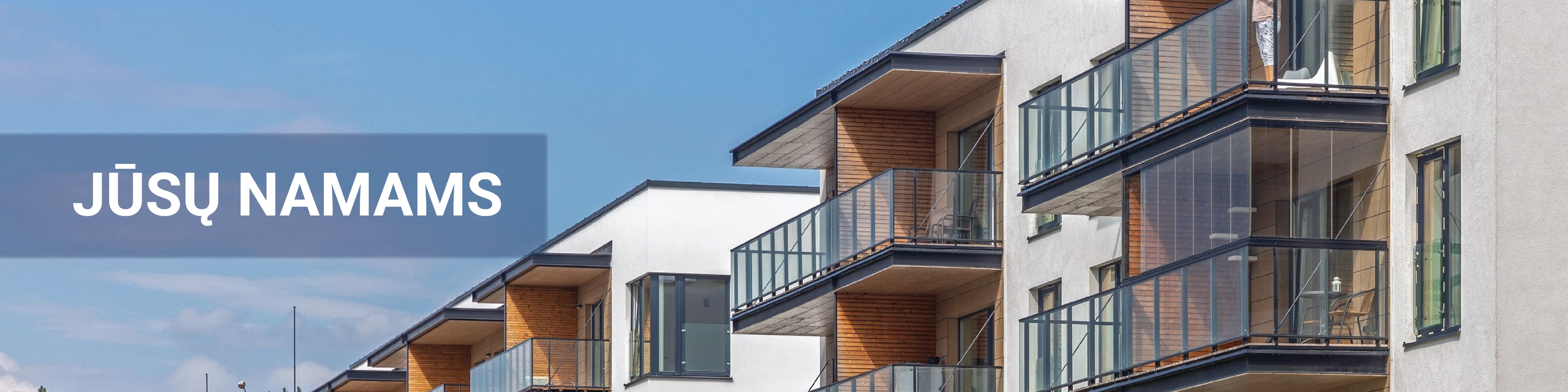
Minor renovation is the modernisation of the internal heating and domestic hot water systems of an apartment building. Typically, minor renovation involves replacing old elevator-type heating substations with new, automated ones, balancing the heating system and installing automatic balancing valves. Heating specialists say that these measures alone save 15-25 % of heat demand, with correspondingly lower bills. Fitting thermostats on radiators makes it possible to adjust the temperature in each room individually to personal needs.
The law states: replacement of a jointly owned or privately owned elevator-type heating substation with a new automated heating substation, or upgrading of an old, worn-out automated heating substation that cannot properly regulate heat consumption in the building according to changes in outdoor air and indoor room temperatures, or installation of a separate heating substation in an apartment building, including installation of balancing valves on heating and hot water risers, and/or any other reconfiguration of the building's heating and hot water systems to ensure compliance with the Mandatory Requirements for Heating and Hot Water Systems of Apartment Buildings, approved by Order No. 1-348 of the Minister of Energy of the Republic of Lithuania of 18 December 2018 "On the approval of the mandatory requirements for the heating and hot water system of an apartment building". The aim of minor renovation is therefore to upgrade heating substation equipment and to rebalance detuned heating systems by installing thermostatic valves and, where possible, individual heat metering devices or heat cost allocators. Apartment heat energy and hot water meters, thermostatic controllers and heat cost allocators can be connected to data collection systems. Meter readings are then collected remotely, transmitted by radio or over the internet.
Automatic domestic hot water temperature control and maintenance in risers. This is another effective heat-saving measure installed during minor renovation. This solution guarantees that water of the same temperature is supplied to all apartments. A riser installation saves up to 30 % of the heat energy used to heat domestic hot water.
Additional measures that save heat and HVAC resources:
- Degassing stations. An investment that saves 5 to 10 percent of energy costs, ensures longer equipment life and lower repair costs. With a degassing station installed, the heating system will run more efficiently and be more reliable and more economical. This is especially important if you want to optimise minor renovation or heating modernisation projects. Benefits provided by an installed degassing station:
-
- Efficiency and lower energy consumption. Gases (air or dissolved gases, for example nitrogen) in a heating system act as an insulator and hinder efficient heat transfer. Once the gases are removed, heat is transferred better to radiators and other heating components;
-
Lower pump energy consumption: air bubbles or gases in the system increase pump resistance, so the pumps have to work harder. Degassing stations reduce this load;
-
Corrosion protection: oxygen in the system promotes corrosion of metal pipework and equipment. Degassing stations remove dissolved oxygen and other corrosion-promoting elements, extending the life of the system;
-
Less sediment and contamination: a reduced amount of air in the system reduces the formation of iron oxides (rust), so there is less sediment and dirt that can clog pipes or radiator valves;
-
Eliminates noise: air in pipework often causes noise, gurgling or other sounds that can be unpleasant for residents. Degassing stations eliminate these problems;
-
Ensures even heating: air bubbles in radiators or pipework often cause uneven heat distribution. Degassing ensures that all radiators and parts of the heating system work with the same efficiency.
- Limescale removal.
Limescale reduces heat transfer efficiency. A limescale layer of just 1 mm can reduce heat transfer by up to 10 %, and thicker deposits increase energy consumption even more. Limescale removal and prevention not only improve the efficiency of heating and water systems but also reduce long-term operating costs, so it is worth taking care of regularly.
Minor renovation is relevant for residents who cannot invest in a comprehensive renovation of an apartment building, or whose building cannot be renovated because of heritage protection or other requirements. Minor renovation is quicker and cheaper than a comprehensive apartment building renovation, yet it can reduce heating bills and increase comfort. Note that after a minor renovation, the residents can still invest in a comprehensive renovation of the building later.
This article is based on Amegata.lt's hands-on experience. See it differently or have something to add? Write to us – we're happy to discuss, and if you share new, well-founded information, we will update the article. Updated October 2026.