
Heating heat exchanger: how to maintain it and avoid failures
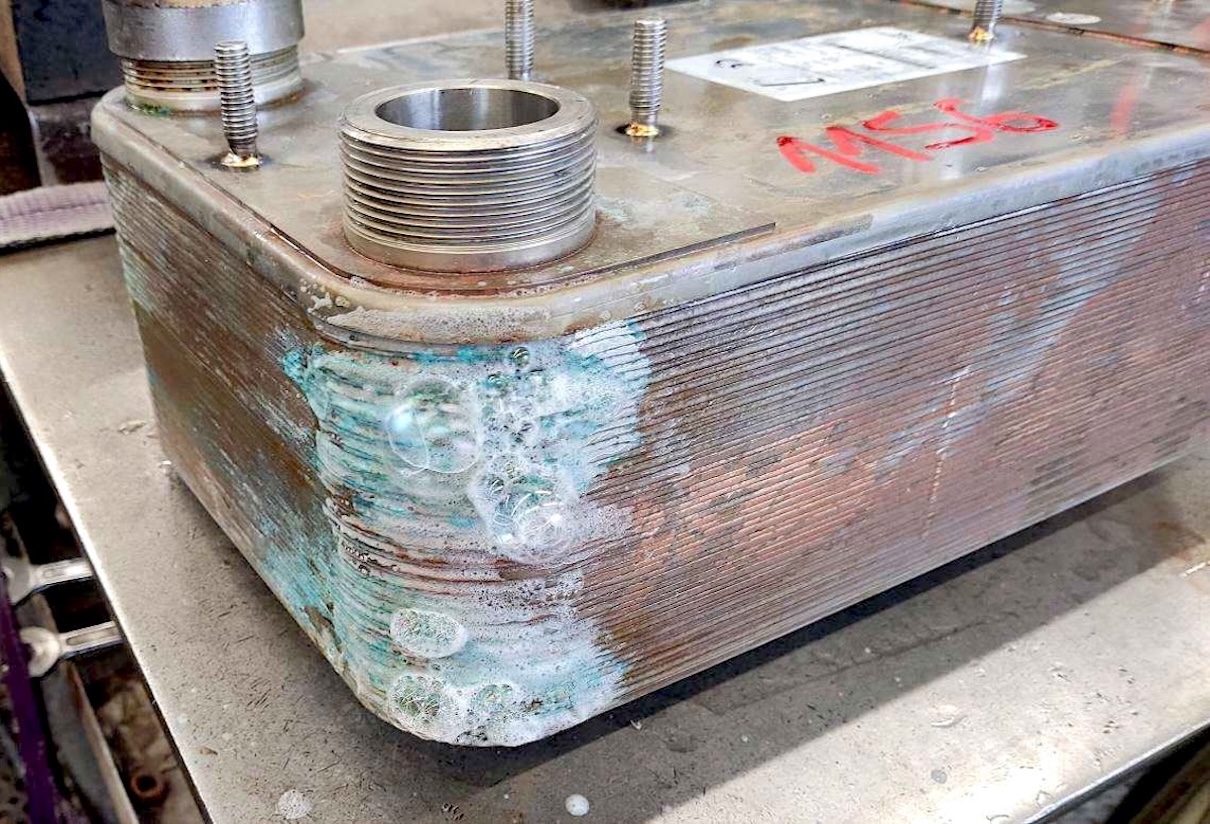
The heating season is the time when building residents and staff expect cosy warmth. The heat exchanger in a heating system is the invisible "engine" that, together with other equipment, ensures heat reaches every radiator efficiently. However, unlike a domestic hot water system, a heating system is often closed, which brings both advantages and its own challenges and specific causes of failure.
If the heating heat exchanger in your building starts to fail, heating becomes inadequate and energy bills rise, we have prepared this article so you can understand the specifics of a closed system and what you can do to keep your building consistently warm and comfortable.
Main causes of heating heat exchanger failure: why does it "clog up"?
Closed heating systems, although more efficient than open ones, have their sensitive points. The water circulates continuously, and if it "goes bad", problems quickly spread through the whole system. Think of a heating heat exchanger as a "closed circulatory system": if the blood (water) in it becomes contaminated, the consequences can be serious for the whole organism.
1. Water quality in a closed system: the silent killer of heat exchangers
Although the water in a closed system is replaced less often than in a domestic hot water system, its quality is critically important. A small volume of water and constant circulation can encourage aggressive processes to develop.
- Heat exchanger corrosion: "the system rusts from the inside". This is the main problem of closed heating systems. It can be caused by:
- Oxygen ingress: even a small amount of oxygen entering the system (through leaks, or when filling the system with untreated water) causes oxygen corrosion, which "eats" the metal. It is like a silent infection spreading through the whole system.
- Incorrect pH: water pH that is too low (acidic) or too high (alkaline) can destroy metals.
- Sediment and dirt: rust, metal shavings and calcium deposits from the original water accumulate in the system and can have an abrasive effect or cause localised corrosion.
- Scale: although scale forms more slowly in closed systems than in domestic hot water systems, it can still build up on the heat exchanger plates, especially if the system is often topped up with untreated water. Moreover, at operating temperatures above 65 degrees, scale is deposited exponentially faster as the temperature rises. This slows heat transfer and increases energy consumption.
- Water conductivity: excessive water conductivity indicates a high concentration of dissolved salts, which can promote electrolytic corrosion.
2. System operating characteristics:
- Air ingress: "abscesses in the system": air in the system causes not only noise in the radiators but is also the main cause of oxygen corrosion. Air pockets can block flow and cause localised temperature differences that damage the heat exchanger.
- Excessive pressure: although pressure that is too low is a problem, excessive pressure in the system can also cause mechanical damage to the heat exchanger and other components.
- Poor balancing: if the system is not properly balanced, water can circulate faster through some parts and more slowly through others, causing uneven heating and a higher risk of deposits in the heat exchanger.
3. Lack of maintenance: "forgotten prevention":
- No control of water parameters: in a closed system the water must be checked regularly for pH, conductivity, oxygen and corrosion inhibitor concentration. If this is not done, problems develop unnoticed.
- Dirt and magnetic separators not cleaned: these devices are designed to trap metal shavings and dirt. If they are not cleaned, the deposits travel on to the heat exchanger.
- Infrequent chemical cleaning: even closed systems accumulate deposits. If the heat exchanger is not flushed regularly, efficiency drops.
How to protect and care for the heating system heat exchanger
The service life of a closed-system heat exchanger depends on continuous control of water quality and preventive measures.
1. Water quality control:
- Before filling: fill the system only with treated water. Recommended water parameters for a closed heating system:
- pH: 8.0 – 9.5 (alkaline water protects against corrosion)
- Conductivity: < 200 µS/cm (the lower the better, as it indicates a low content of dissolved salts)
- Oxygen content: < 0.1 mg/l (the system water must be oxygen-free!)
- Chlorides: < 50 mg/l (even lower than in a domestic hot water system, owing to the specifics of a closed system)
- Corrosion inhibitors: be sure to use special corrosion inhibitors. They act like "vitamins", creating a protective film on metal surfaces and suppressing corrosion. Their concentration must be checked regularly.
- Regular water tests: carry out chemical water tests at least once a year, ideally twice a year (before and after the heating season). Record the pH, conductivity, oxygen and inhibitor levels.
2. System protection: "strengthening immunity":
- ✅ Air removal: install and regularly check automatic air vents at the highest points of the system. Bleed the radiators regularly.
- ✅ Dirt and magnetic separators: install efficient dirt and magnetic separators in the return circuit of the system, upstream of the heat exchanger. Clean them regularly to remove rust and other magnetic impurities.
- ✅ Correct pressure: maintain the system pressure recommended by the manufacturer. Pressure that is too low can cause air ingress; pressure that is too high causes stress.
- ✅ Expansion vessel: check that the expansion vessel is working properly. It compensates for changes in water volume caused by temperature fluctuations and helps to maintain stable pressure.
3. Regular maintenance: "periodic checks":
- ✅ Heat exchanger flushing / cleaning: although less often than for domestic hot water, chemical flushing of the heat exchanger in a closed heating system should be carried out every 3-5 years, depending on water quality and the condition of the system. This must be carried out by qualified specialists.
- ✅ Visual inspection: regularly inspect the heat exchanger and pipework for signs of leaks, corrosion or deposited impurities.
- ✅ Pressure and temperature monitoring: record the system pressure and temperature readings. Any unexpected fluctuations may indicate problems.
In conclusion
The service life of a closed heating system heat exchanger depends on careful and consistent maintenance. The most important things are water quality control and oxygen removal. By following these "rules of life", you will ensure that your building is heated efficiently, energy bills stay under control and residents enjoy constant warmth.
It bears repeating that prevention is always cheaper and less complicated than fixing breakdowns. Take care of your heat exchanger and it will serve you long and reliably!
Read more about why heat exchangers fail here
Read more about real damage to domestic hot water heat exchangers and their operating characteristics here
Prepared by: Evaldas Lasys. The content is based on data collected by Amegata.lt partners and real analysis of operating cases.
All rights reserved. Publishing or otherwise using this content without the written permission of Amegata.lt is prohibited.

Supplier of building heating substation equipment
This article is based on Amegata.lt's hands-on experience. See it differently or have something to add? Write to us – we're happy to discuss, and if you share new, well-founded information, we will update the article. Updated October 2026.